
Ginzan Onsen Guide: Town, Souvenirs and Bathing Rules
Conditions are checked against official sources, and each place shows its check date. How we check
Ginzan Onsen is in Obanazawa, Yamagata Prefecture, and takes its name from the Nobezawa Silver Mine, a great silver mine that flourished in the early Edo period. Western-style, multi-story wooden ryokan built from the late Taisho era to the early Showa era line both banks of the Ginzan River, and you can enjoy a unique, old-fashioned townscape. The official website of the Ginzan Onsen Association introduces it as "a nostalgic onsen town that evokes Taisho romance." The spring type given on the official website comes from analysis of a sample collected at the pouring outlet of the footbath in 2009 (Heisei 21): sodium chloride-sulfate spring (hypotonic, neutral, high-temperature spring).
- Facilities
- 12 places
- Tattoo-friendly
- 0
- Private baths
- 7
- Spring types
- Sodium chloride-sulfate spring (hypotonic, neutral, high-temperature spring)
Facilities
✓ yes · △ with conditions · ✕ no · ? not checked
- Ryokan · GinzanRyokan Matsumoto
- Tattoos: not checked
- No private bath
- No day visits
- Tattoos: not checked
- Private bath: guests only
- No day visits
- Ryokan · GinzanTakimikanAdults ¥1,000
- Tattoos: not checked
- Private bath: guests only
- Day visits OK
- Tattoos: not checked
- Private bath
- Day visits: not checked
- Ryokan · GinzanSenkyo no Yado GinzansoAdults ¥1,500
- Tattoos: not checked
- Private bath: not checked
- Day visits OK
- Tattoos: not checked
- Private bath
- Day visits: not checked
- Tattoos: not checked
- Private bath: not checked
- Day visits OK
- Tattoos: not checked
- Private bath
- Day visits: not checked
- Tattoos: not checked
- Private bath
- Day visits: not checked
- Public bath · GinzanOmokageyu
- Tattoos: not checked
- Private bath: not checked
- No day visits
- Public bath · GinzanShiroganeyuAdults ¥500
- Tattoos: not checked
- Private bath: not checked
- Day visits OK
- Ryokan · GinzanOyado Yanadaya
- Tattoos: not checked
- Private bath
- Day visits: not checked


Around the onsen town
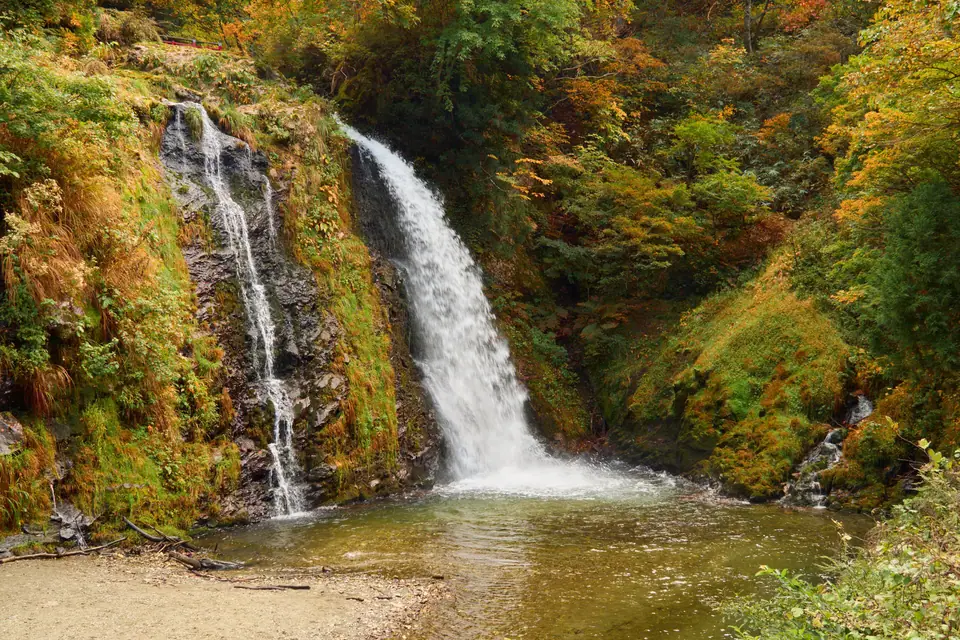
Photo: lumoplank / CC0 Shirogane Falls
A waterfall with a drop of 22 meters that greets you at the far end of the onsen town. The official walking guide lists a "waterfall viewing course" of about 0.8 km and about 20 minutes.
Official website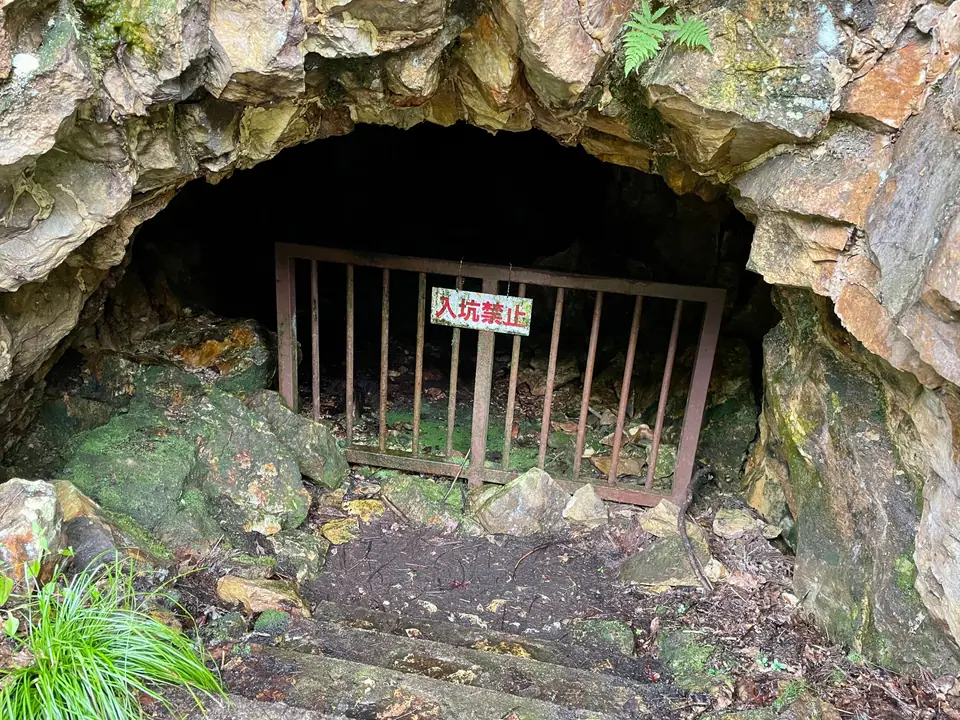
Photo: おにく / CC0 Nobezawa Silver Mine Ruins (Ginkodo tunnel)
The abandoned Nobezawa silver mine tunnel (Ginkodo), designated a historic site by the Agency for Cultural Affairs, is announced as free to visit. The Obanazawa City sightseeing page lists the Ginkodo as "closed for the time being for safety checks." The official walking guide also says that from the first snow until Greenery Day (the start of the mountain season), the footing becomes poor and entering the mountain toward the tunnel is not possible, and the Omokage-en guide says the tunnel is dangerous once snow starts to fall and cannot be entered. The reopening date is not stated in the sources.
Official websiteShirogane Park
A park at the end of the onsen town, with Shirogane Falls at its entrance. Omokage-en, the main area of the park, has the entrance to the Ginkodo (the Nobezawa silver mine site). Obanazawa City lists the Ginkodo as "closed for the time being for safety checks," and the Ginzan Onsen Association also says the mountain cannot be entered from the first snow until Greenery Day.
Official website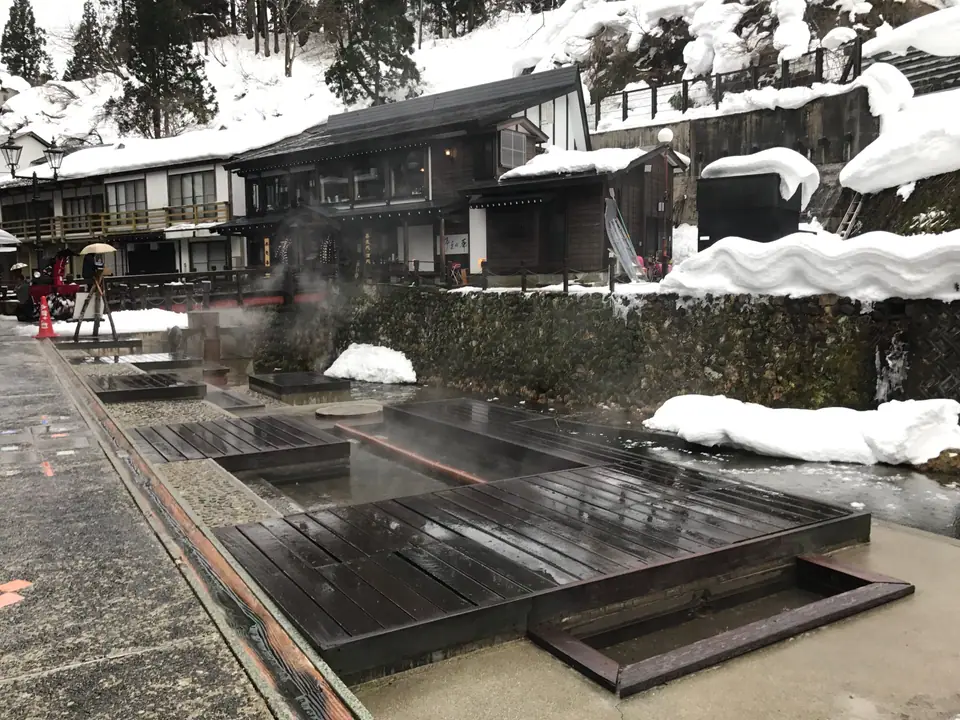
Photo: bryan... / CC BY-SA 2.0 Waraku Footbath
A footbath at the entrance of the onsen town, on the bank of the Ginzan River. It is announced as easy for anyone to use, and the source spring water is used as is. The Obanazawa City sightseeing page lists it as open year-round, 6:00-22:00, free of charge.
Official website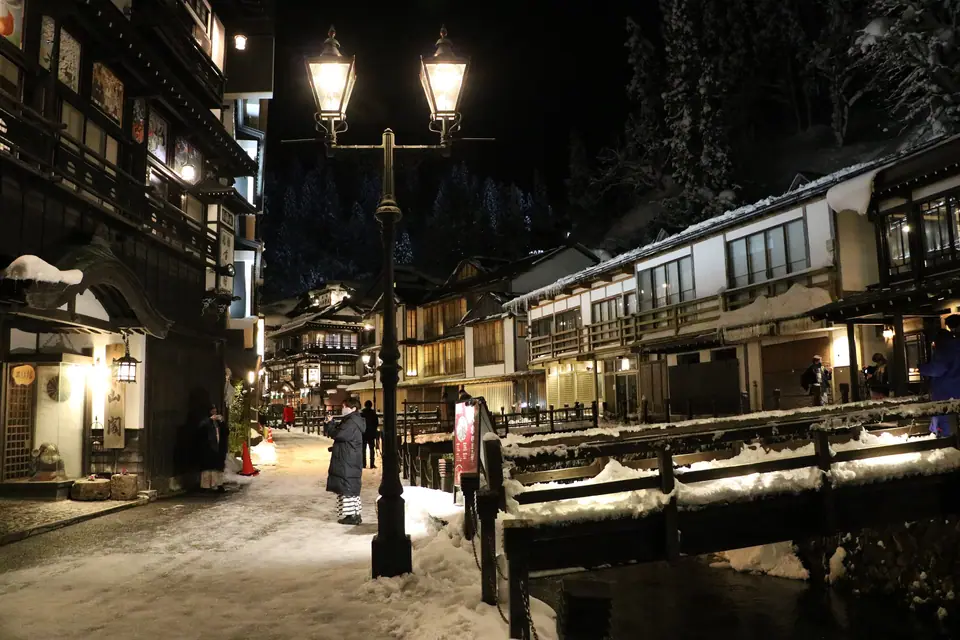
Photo: さかおり / CC BY-SA 4.0 Gaslit evening townscape
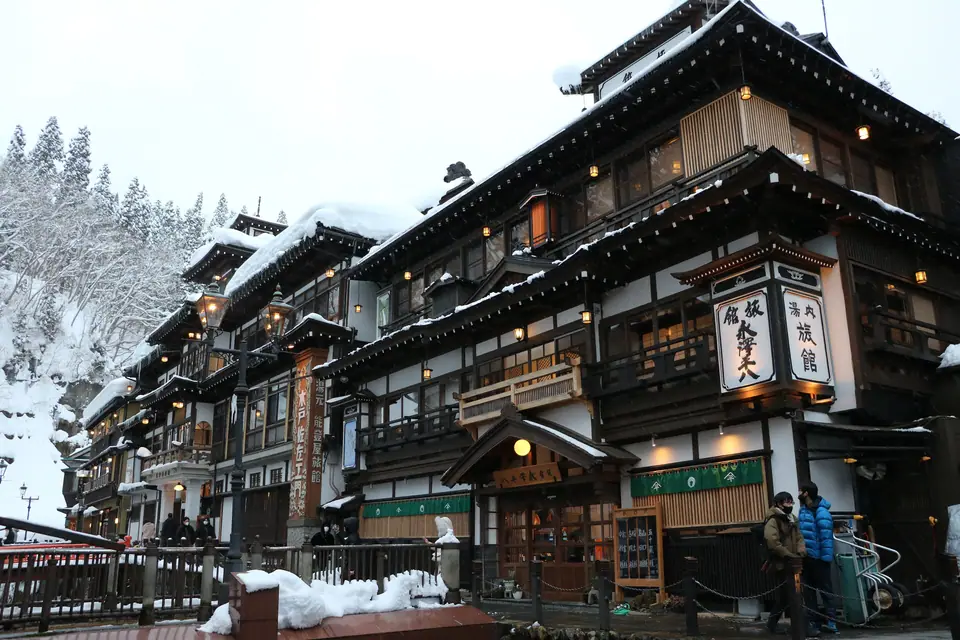
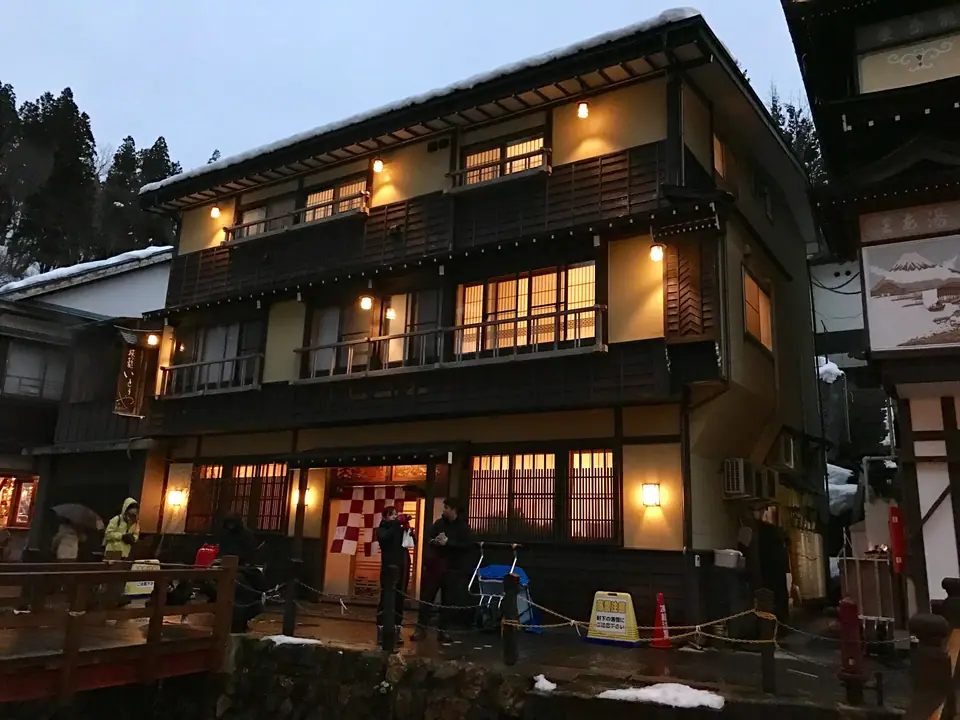
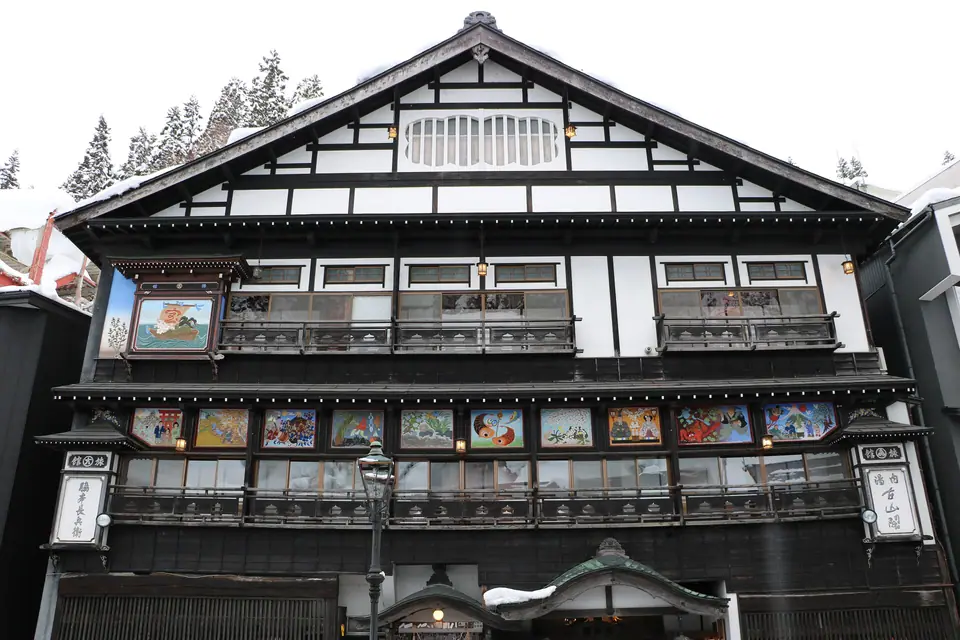
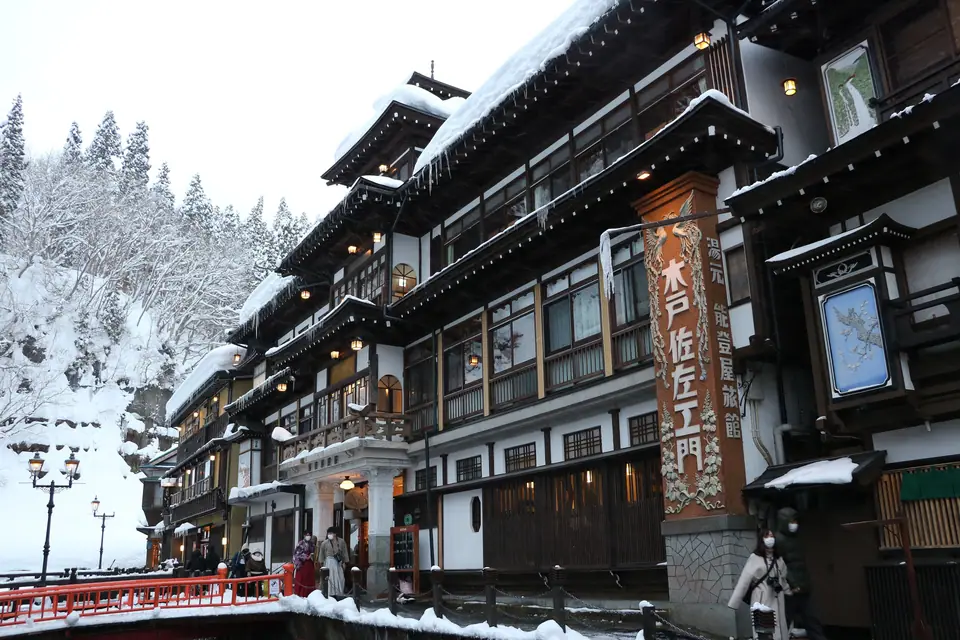
Wooden three- and four-story ryokan line both sides of the Ginzan River, and the dusk when the gas lamps are lit is introduced as especially romantic. Plasterwork reliefs called "kote-e," made by plasterers, remain on the walls and shutter boxes of the ryokan.
Official websiteShirogane Bridge
The bridge at the entrance of the onsen town. On the onsen-town side of the bridge is a resting space, "Nemaru-za." Yamagata Prefecture's landscape guide names Shirogane Bridge (Shiroganebashi) as the viewpoint for the Taisho romance of the onsen town.
Official website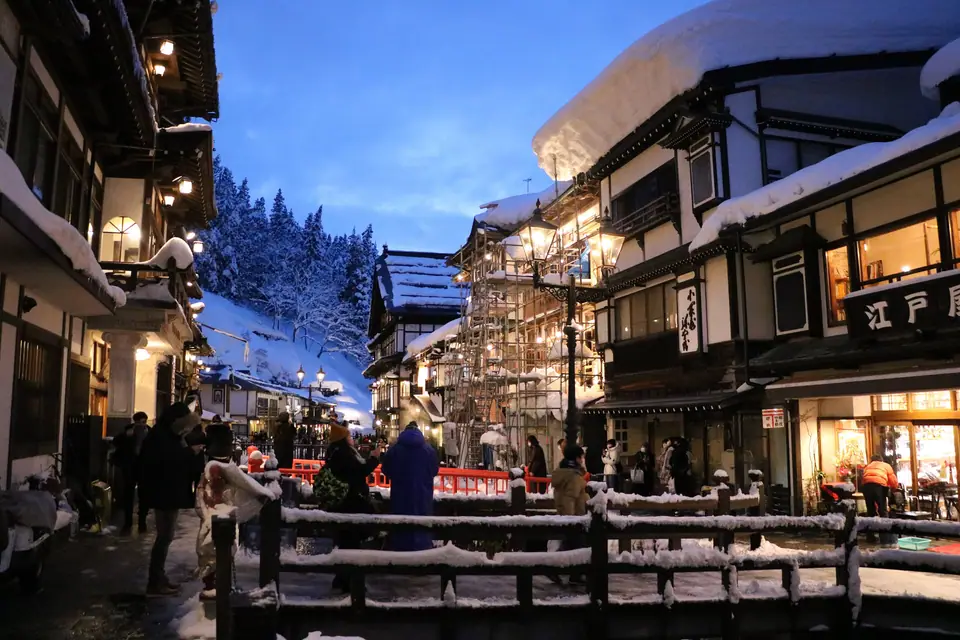
Photo: さかおり / CC BY-SA 4.0 Taisho-era wooden ryokan
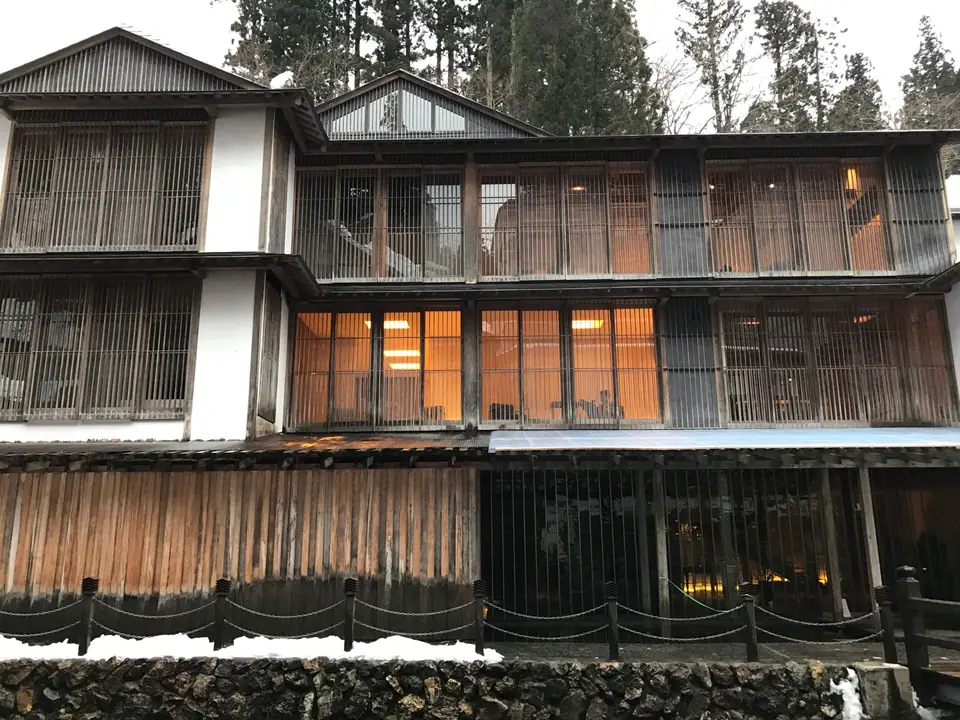
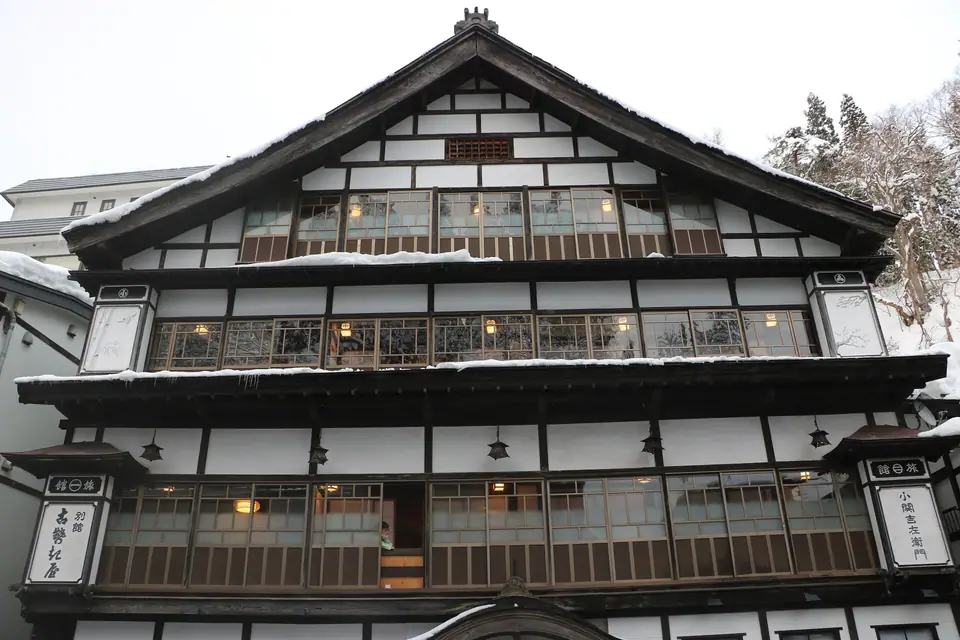
Western-style, multi-story wooden ryokan built from the late Taisho era to the early Showa era line both banks of the Ginzan River. A boring of the source in the first year of Showa produced a large amount of high-temperature hot water, and each ryokan was rebuilt as a Western-style three- to four-story wooden building. In 1986 (Showa 61), the "Ginzan Onsen Townscape Preservation Ordinance" was enacted.
Official websiteObanazawa Soba Kaido
A soba initiative continued by the soba shops of Obanazawa, who formed the "Yuyu Sanmai-kai." "Soba-dokoro Sake-dokoro Izu no Hana" (stop no. 12) and "Soba-dokoro Takimikan" (stop no. 13) in the onsen town are also listed. Check the source list for business hours and closing days.
Official websiteLake Tokura
A lake in Obanazawa said to be the birthplace of the Hanagasa dance. Yamagata Prefecture's landscape guide says it is 10 minutes by car from Obanazawa IC on the Tohoku-Chuo Expressway, 15 minutes from JR Oishida Station and 40 minutes from Yamagata Airport, and that the walking path is not cleared of snow in winter. The distance and travel time from the Ginzan onsen town are not stated in the sources.
Official website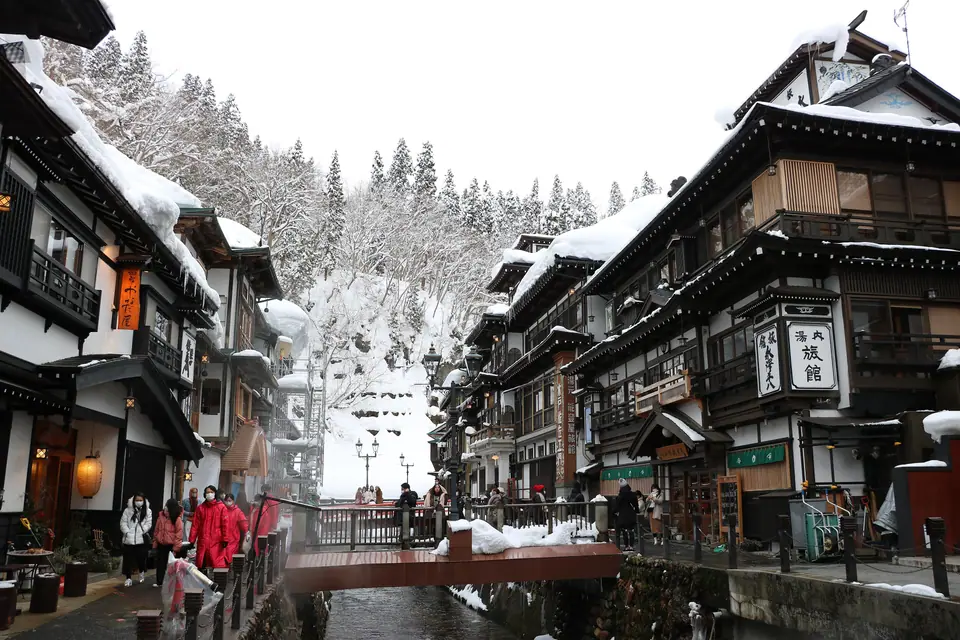
Photo: さかおり / CC BY-SA 4.0 Winter snowscape
The official guide to the seasons says that in winter the light of the gas lamps illuminating the silver world is especially romantic, and that a bath and a piping-hot hot-pot dish await the chilled body. For winter traffic and entry rules, see the next entry.
Official websiteWinter entry control (park & ride)
The period is Dec 19, 2026 to Mar 7, 2027, and it may be extended depending on snowfall. For day trips, the basic way is to park at Taisho Roman-kan and transfer to a reserved shuttle bus. To guard against snow falling from roofs, the building side cannot be used as a walkway, and people walk on the river side of the street. To keep the number of people on the street within what can pass safely, the number of entrants is adjusted by time slot, and the rule is announced as applying at all hours, not as "you can enter at night" or "you can enter if no staff are present."
Official website


Go a little further
Places within 20 km of Ginzan, nearest first, from our sister sites.
Photos


Souvenirs
Haikara-san no Curry Pan
Curry bread introduced as a Ginzan Onsen specialty. It is announced as available at Meiyuan or Taisho Roman-kan.
Where to buy Meiyuan, Taisho Roman-kan (Ginzan Onsen)
Shop page →Watermelon manju
A manju wrapping a filling made with watermelon juice, with black sesame representing the watermelon seeds. It is introduced as "a popular product that only Obanazawa watermelon can make." It can be bought through the company's mail order (Meiyu Online Shop). Whether it is sold at shops in the onsen town is not stated in the sources.
Where to buy Meiyu Online Shop (mail order)
Shop page →Kujira mochi
A rice-cake sweet handed down in the area from long ago, introduced as a "Ginzan specialty." It comes in miso, soy sauce and white sugar flavors, and the aroma of the walnuts inside is its feature.
Where to buy Omiyage no Mise Edoya (Ginzan Onsen)
Shop page →Karinto manju
A fried brown-sugar manju, crispy outside and moist inside.
Where to buy Meiyuan (Ginzan Onsen)
Shop page →Obanazawa soba
Soba with a rich aroma and strong sweetness, made from the native variety "Genshu Mogami-wase." Physical shops where you can buy it include Seimen Hoshikawa Co., Ltd. in Nakamachi, Obanazawa, among others.
Where to buy Seimen Hoshikawa Co., Ltd. (Nakamachi, Obanazawa) and others in Obanazawa
Local sake (Yagihashi Shoten)
A "local sake and souvenir shop" in Ginzan Onsen. It carries warm, homey items and local sake.
Where to buy Yagihashi Shoten (Ginzan Onsen)
Shop page →
Getting there
- Tokyo (Yamagata Shinkansen and bus)Take the Yamagata Shinkansen to Oishida Station, then the route bus "Ginzan Hanagasa-go" (JR Oishida Station to Ginzan Onsen). The official Yamagata Prefecture tourism site says "about 3 hours from Tokyo by Yamagata Shinkansen plus 40 minutes by direct bus," and the access column for Ginzan Onsen says "40 minutes by bus from Oishida Station on the Yamagata Shinkansen (board the bus bound for Ginzan Onsen and get off at the last stop)." For the winter entry rules (Dec 19, 2026 to Mar 7, 2027), see the separate entry (Winter by car or route bus).Source
- Yamagata Airport (by bus)Take the Hanagasa Bus "Oishii Yamagata Airport Sightseeing Bus" (no reservation required) to Ginzan Onsen. The timetable is posted on the Yamagata Airport guidance page. In the timetable for Oct 25, 2026 to Mar 27, 2027, the bus leaves Yamagata Airport at 9:40 and arrives at Ginzan Onsen at 10:55 (75 minutes), and leaves at 15:20 and arrives at 16:40 (80 minutes). The 18:45 departure terminates at Obanazawa City Hall and does not go to Ginzan Onsen. For bus inquiries, contact Hanagasa Bus Co., Ltd. (0237-22-2206). The reservation-based shared taxi "Oishii Yamagata Airport Sightseeing Liner" requires a reservation by 17:00 the day before; for inquiries and applications, contact Cherry Cab (0237-48-8139) or Obanazawa Taxi (0237-23-2525).Source
- Sendai (by car)According to the official Ginzan Onsen website, it is about 1 hour from Sendai to Higashine on National Route 48, about 30 minutes to Obanazawa IC on National Route 13, and about 30 minutes from Obanazawa IC to Ginzan Onsen. The site warns never to take Prefectural Route 29 (Seaburi Pass) from Murayama City because it is an extremely narrow mountain road, and notes that National Route 347 from the Furukawa direction is closed in winter. Yamagata Prefecture's traffic restriction information lists National Route 347 from Mamoi, Obanazawa, to the Miyagi prefectural border as closed at night, 19:00 to 7:00 the next morning, from Dec 1, 2026 to Apr 1, 2027.Source
- Winter by car or route bus (Dec 19, 2026 - Mar 7, 2027)According to the winter traffic guidance of the Ginzan Onsen Association, the period is Dec 19, 2026 to Mar 7, 2027 (it may be extended depending on snowfall; if so, the guidance will be updated in early February 2027). Private cars and other covered vehicles do not enter the onsen town directly; park at Taisho Roman-kan and transfer to a shuttle bus at the designated time. The sources conflict on the route bus to Ginzan Onsen: the Association's winter guidance says it plans to tell passengers without an advance entry reservation to get off at Taisho Roman-kan and transfer to the shuttle bus, while the secretariat of the demonstration project treats the route bus as exempt from the restrictions, with no passage permit application needed, and Hanagasa Bus says "no ticket is required." Check how to ride with Hanagasa Bus (0237-22-2206). Advance reservations are accepted until 17:00 (Japan time) the day before boarding, and on the day, timed tickets are sold at the ticket machine at Taisho Roman-kan only if seats are available. Visitors are advised not to walk from Taisho Roman-kan to the onsen town.Source
Rules are based on each facility's official information as of the date shown. They can change, so please check with the facility before you go.